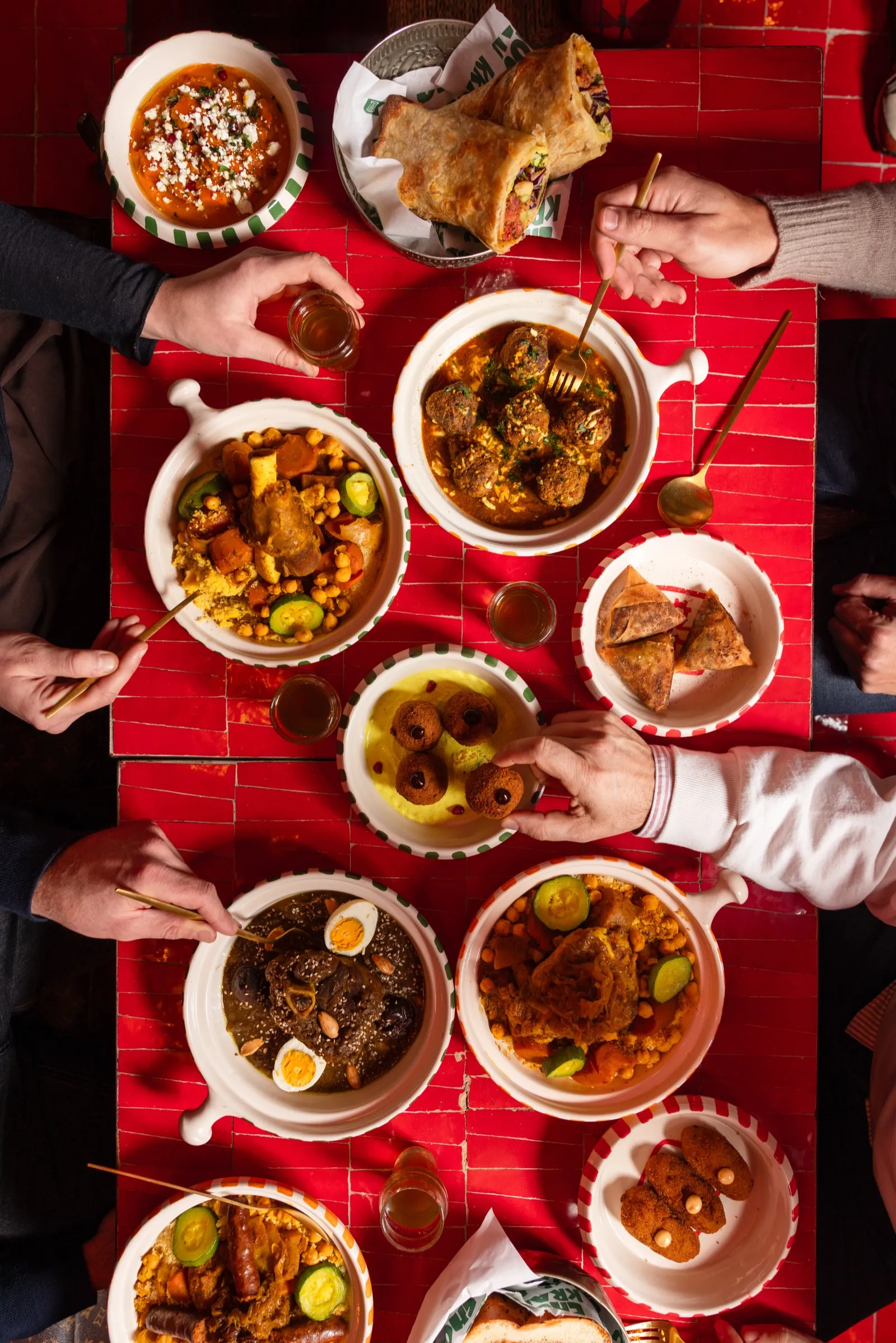
If there is one dish that could single-handedly capture the soul of Morocco, it is most likely couscous. Long before it became one of the favourite dishes in France, long before it appeared on restaurant menus around the world, couscous was already at the heart of daily life for millions of families across North Africa. In Morocco especially, it goes far beyond the simple status of a traditional recipe to become a true cultural symbol, a family gathering and a story passed down from generation to generation around the same table.
For many Moroccans, the memory of couscous begins well before the meal itself. It often starts in the morning when the kitchen gradually comes to life. Vegetables are carefully prepared, the broth begins to simmer gently in a large pot and the first aromas of spices fill the house. As the hours pass, everyone wanders through the kitchen, lifts a lid, tastes a spoonful of broth or quietly asks when the meal will be ready. Couscous has this unique ability to bring people together even before it is served.
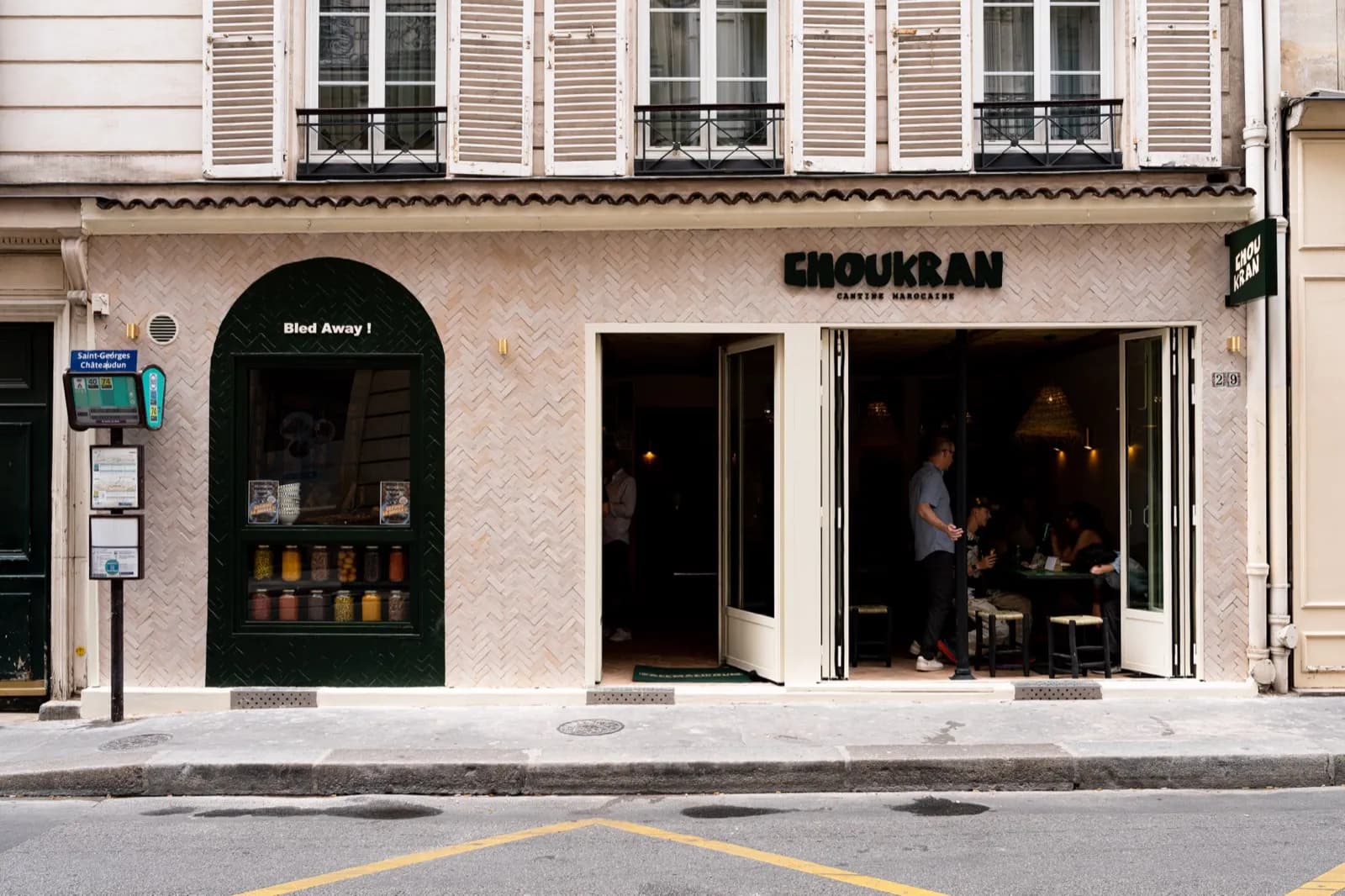
At Choukran, when we talk about Moroccan couscous, we are not just talking about an iconic dish. We are talking about the Morocco we have known. The Morocco of Friday meals that bring the whole family together. The Morocco of large gatherings where extra chairs sometimes need to be added at the last minute because a cousin, a neighbour or a friend has come to share lunch. The Morocco of recipes that are never really written down but are passed on naturally, simply by watching the elders cook.
A history stretching back centuries
The origins of couscous go back several centuries, long before the creation of modern Morocco as we know it today. Historians generally agree that its earliest forms can be attributed to the Amazigh peoples of North Africa, who were already using cereals transformed into semolina and then steamed to feed their families. At a time when resources needed to be preserved for long periods and travel was frequent, this preparation offered a solution that was practical, nourishing and flavourful all at once.
Over the centuries, couscous accompanied every evolution of the country. It survived dynasties, trade exchanges, and Arab, Andalusian and Mediterranean influences. Each region gradually developed its own interpretation of the recipe, based on its local produce, traditions and history.
What is fascinating about couscous is that it has managed to evolve without ever losing its identity. Even today, when a Moroccan prepares couscous, they often reproduce gestures that their grandparents were already performing several generations before.
Why is Friday the day of couscous?
If you travel to Morocco on a Friday at lunchtime, you will quickly notice something quite distinctive. In many homes, in family restaurants and sometimes even in certain workplaces, couscous takes centre stage.
This tradition is deeply rooted in Moroccan culture. After the Friday prayer, families gather around a meal that symbolises sharing and togetherness. The couscous is served in a large dish placed at the centre of the table, with everyone helping themselves according to their appetite while enjoying a collective moment that goes far beyond the simple concept of a meal.
In a world where everything seems to move faster and faster, this tradition is a reminder of the importance Moroccans still place on time spent together. Friday couscous is not merely a culinary habit. It is a family ritual that maintains the bond between generations.
The secret of great couscous is not in the meat
When you ask someone what makes a good couscous, many will spontaneously answer: the quality of the meat.
Yet experienced Moroccan cooks know that the real secret lies elsewhere.
It lies in the broth.
A great couscous relies above all on a rich, balanced and fragrant broth, capable of giving character to every ingredient without overpowering them. To achieve this, the cooking must be slow. The vegetables need time to release their flavours. The spices must infuse gradually. The meat must become tender without drying out.
This patience is probably one of the greatest differences between a traditional couscous and a version prepared too quickly.
In Morocco, people often say that couscous is not cooked against time. It is cooked with it.
Semolina: the most underestimated element of the dish
If the broth is the heart of couscous, the semolina is its soul.
Many people discover couscous through quick preparations that do not always do justice to this essential ingredient. Yet in Moroccan families, preparing the semolina often represents a true craft.
Traditionally, it is worked several times over and then steamed in a couscoussier. This method produces grains that are light, perfectly separated and able to absorb the broth without becoming sticky.
Good semolina must remain airy. It should accompany the dish without ever weighing it down. When perfectly prepared, it brings a unique texture that fully contributes to the balance of the couscous.
The many versions of Moroccan couscous
One of the greatest treasures of Moroccan couscous lies in its diversity.
Contrary to popular belief, there is not one Moroccan couscous but dozens of Moroccan couscous dishes.
The seven-vegetable couscous is probably the best known. It showcases local produce and perfectly represents the generosity of Moroccan cuisine.
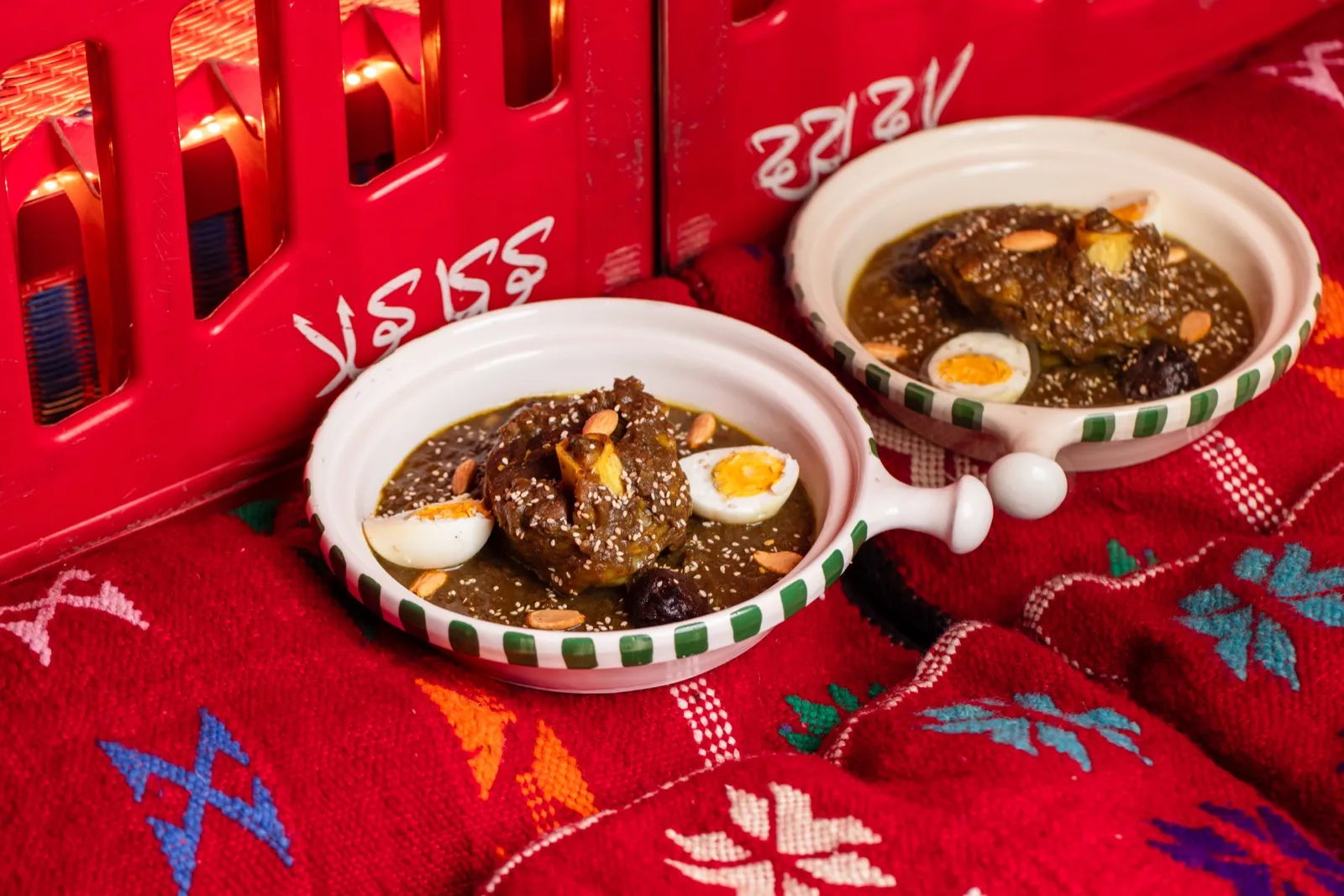
The couscous tfaya, particularly popular in certain regions such as Fez, stands out for its caramelised onions, raisins and slightly sweet notes that create a spectacular contrast with the rest of the dish.
In other regions, some families favour lamb while others prefer chicken. The vegetables themselves can vary according to the seasons and local customs.
This diversity ultimately tells the whole story of Morocco's richness.
Why couscous is so popular in France
If couscous is one of the favourite dishes of the French today, it is probably no coincidence.
Firstly because it perfectly matches what many consumers are looking for: a generous, convivial and deeply comforting meal.
Secondly because it tells a story. Every plate evokes a rich culinary heritage, family traditions and a culture of sharing that speaks to everyone.
And finally because it possesses that rare ability to bring people from all walks of life together around the same table. Few dishes create such a natural sense of togetherness.
What couscous represents at Choukran
At Choukran, we have always considered couscous as much more than a recipe.
It is a symbol.
The symbol of meals that last longer than planned.
The symbol of large gatherings where everyone eventually finds their place.
The symbol of a cuisine that does not seek to impress but to bring joy.
Because at its core, couscous tells exactly what we love about Moroccan culture: generosity, passing things on and the pleasure of being together.
And that is probably why, after several centuries of history, it still continues to bring so many people together around the same table today.