Couscous is the iconic dish of the Maghreb. But behind this shared name lie very distinct traditions. Moroccan, Algerian, Tunisian: each couscous bears the mark of its country, its terroir, its family customs. So what are the real differences?
Moroccan couscous: balance and sweetness
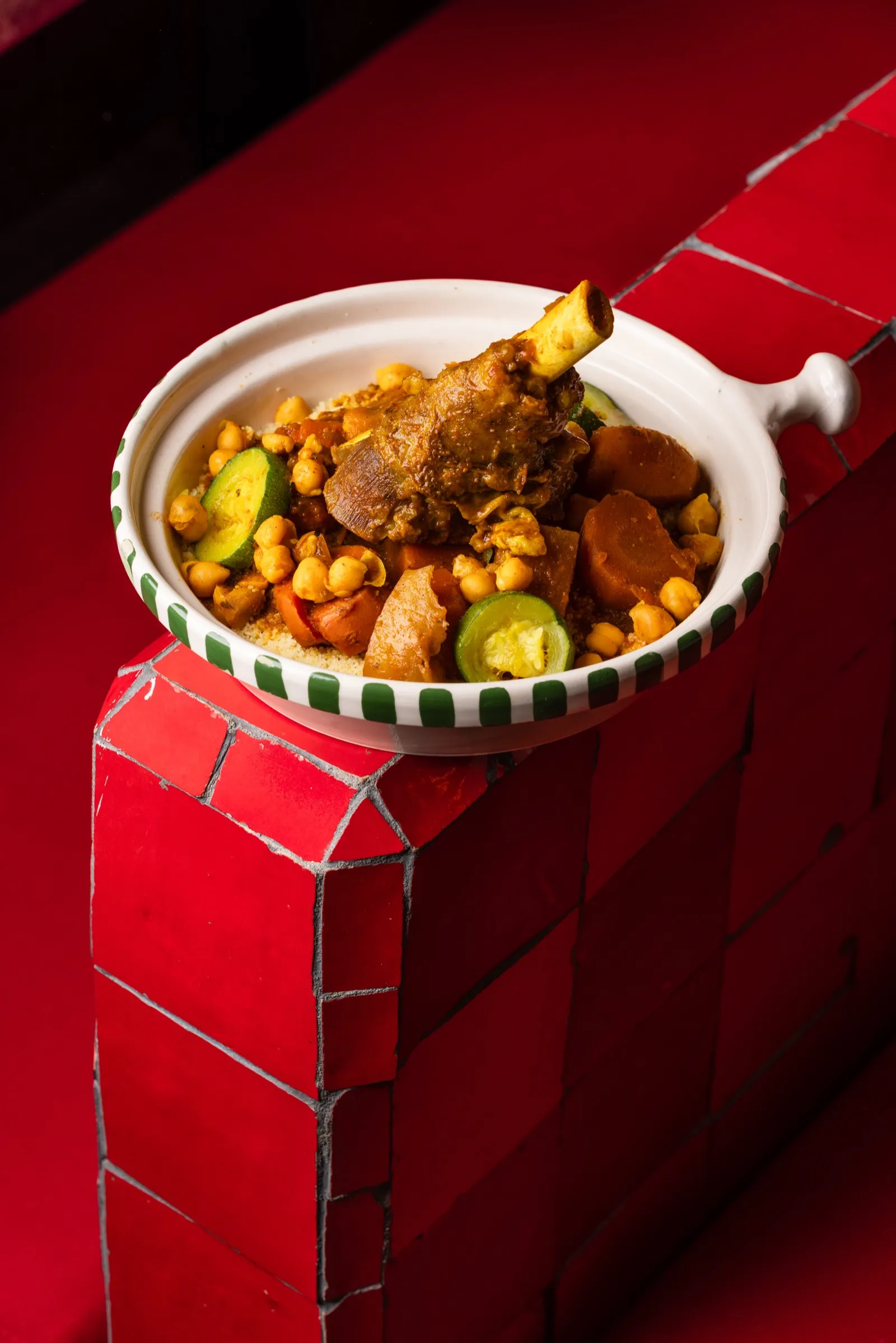
Moroccan couscous is a model of harmony. Its semolina is fine, light, airy — the result of several rounds of steaming and patient handwork. The vegetables are cooked in a gentle broth flavoured with saffron, ginger and cumin, without excessive heat.
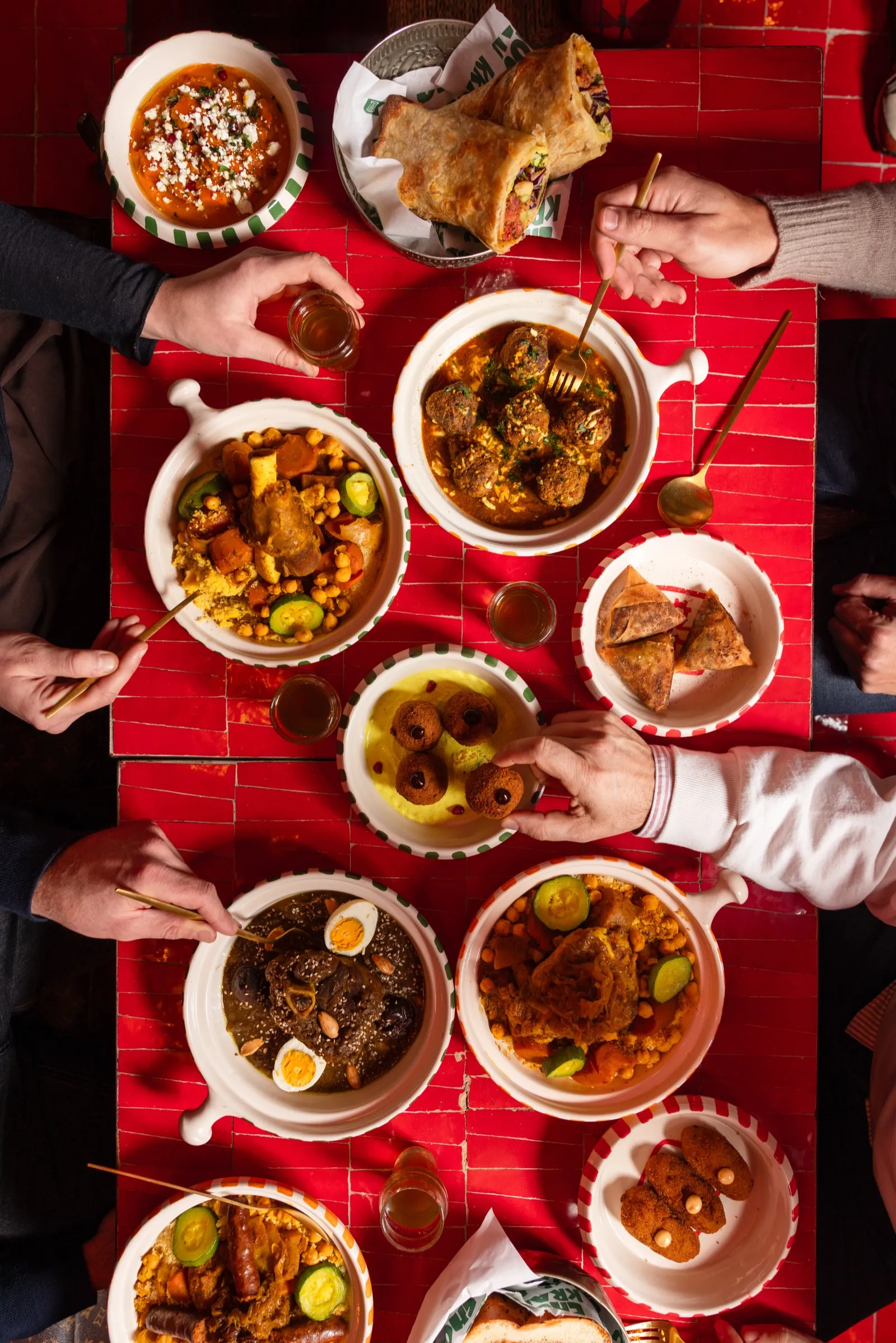
Traditional Friday Moroccan couscous is often accompanied by seven vegetables (turnips, carrots, courgettes, pumpkin, cabbage, tomatoes, onions), chickpeas and slow-cooked meat. The tfaya — a sweet-savoury mix of caramelised onions and raisins — is a typically Moroccan garnish that brings an incomparable touch of sweetness.
Balance is the watchword: neither too spicy, nor too fatty, nor too simple. Everything lies in precision.
Algerian couscous: regional diversity
Algeria, through its geographic vastness, offers an impressive variety of couscous. From north to south, east to west, each region has its own recipe, ingredients and traditions.
Algerian couscous often features a richer, fuller broth than the Moroccan version. Broad beans, turnips and generous use of tomato are common. Some regions add fennel, others artichokes, others wild herbs gathered from the mountains.
Kabyle couscous, for example, is often more rustic, based on barley semolina and garden vegetables. Oran-style couscous may be enriched with seafood. This diversity reflects an immense country with culinary traditions as varied as its landscapes.
Tunisian couscous: character and heat
If Moroccan couscous is sweetness and Algerian couscous is diversity, Tunisian couscous is character. You recognise it immediately by its red-orange colour, brought by the harissa and tomato paste that form the base of the broth.
Tunisian couscous is spicier, bolder, more assertive. Harissa is used generously, giving the dish a distinctive warmth that immediately sets it apart from its Moroccan and Algerian cousins.
Tunisia is also famous for its fish couscous, a speciality of coastal regions — particularly the island of Djerba — where semolina is accompanied by fresh fish cooked in a spiced tomato broth. It's a unique version with no equivalent elsewhere in the Maghreb.
A shared philosophy
Despite their differences, the three couscous traditions share a common philosophy: sharing, generosity, respect for the seasons and the slow time of cooking. Whether Moroccan, Algerian or Tunisian, couscous is always an act of love. A dish prepared for those you love, with all the time it takes.
A heritage recognised by UNESCO
In 2020, couscous was inscribed on UNESCO's Intangible Cultural Heritage list, jointly submitted by Morocco, Algeria, Tunisia and Mauritania. This recognition confirmed what Maghrebi families have always known: couscous is not just a dish. It's a living heritage, a link between generations, a symbol of what we have in common.
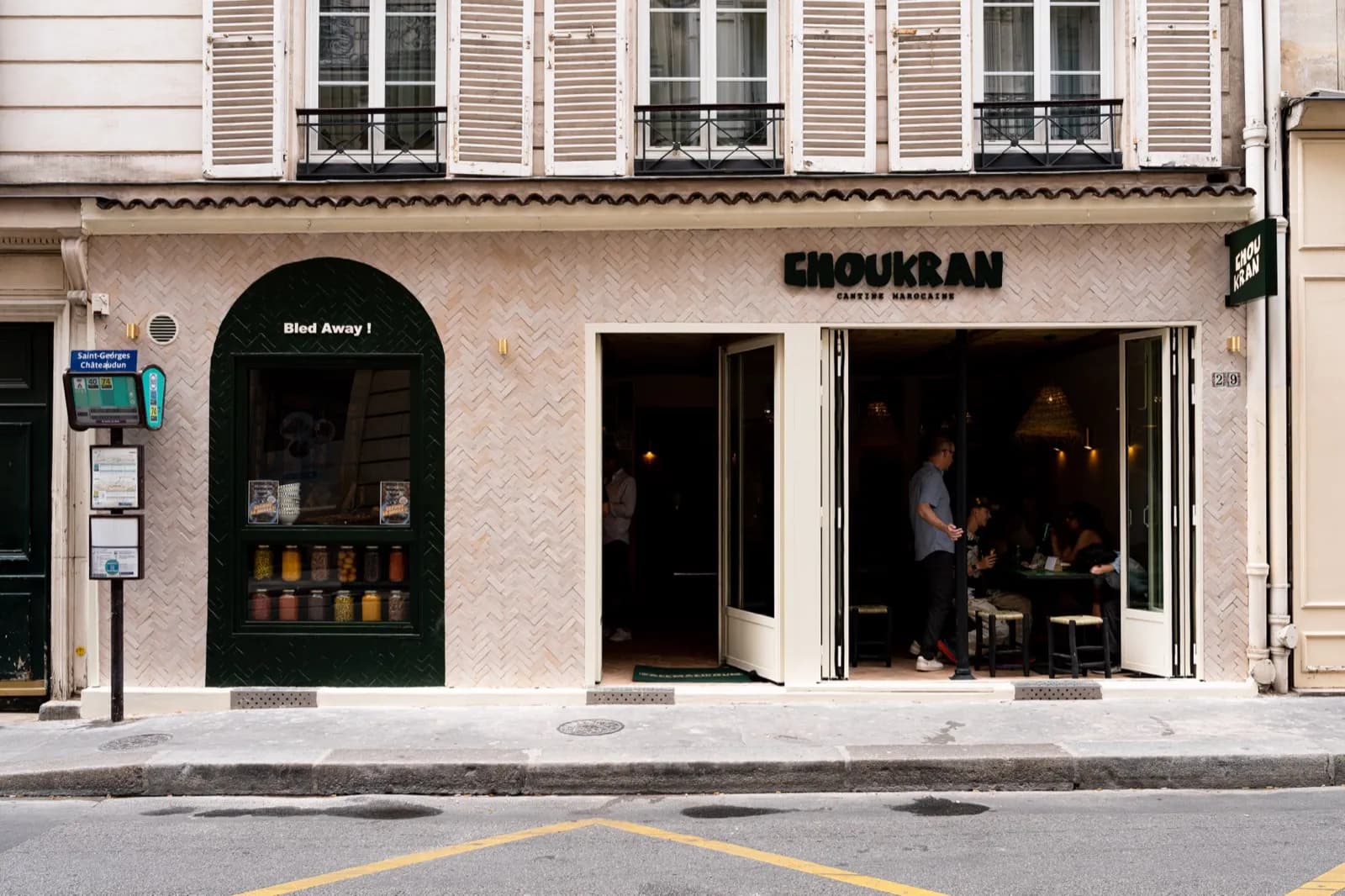
At Choukran, we celebrate this diversity. Our couscous follows the Moroccan tradition — fine semolina, fragrant broth, seasonal vegetables — but we pay tribute to the entire richness of the Maghreb. Because couscous, before being Moroccan, Algerian or Tunisian, is a dish of humanity.
FAQ
- Is couscous Moroccan, Algerian or Tunisian?
- Couscous belongs to the entire Maghreb. Morocco, Algeria and Tunisia each have their own traditions and variations.
- What is the main difference between Moroccan and Tunisian couscous?
- Tunisian couscous is generally spicier due to the use of harissa, while Moroccan couscous favours a balance of flavours.
- Why is Algerian couscous so varied?
- Algeria has an immense territory with many regional traditions that have given rise to a great diversity of recipes.
- Is there a fish couscous?
- Yes, particularly in Tunisia and in some coastal regions of the Maghreb.
- Which couscous is the most traditional?
- They all are. Each country has ancestral recipes that are an integral part of its culinary heritage.